How to improve your Valorant aim and movement by studying satisfying Phoenix clips
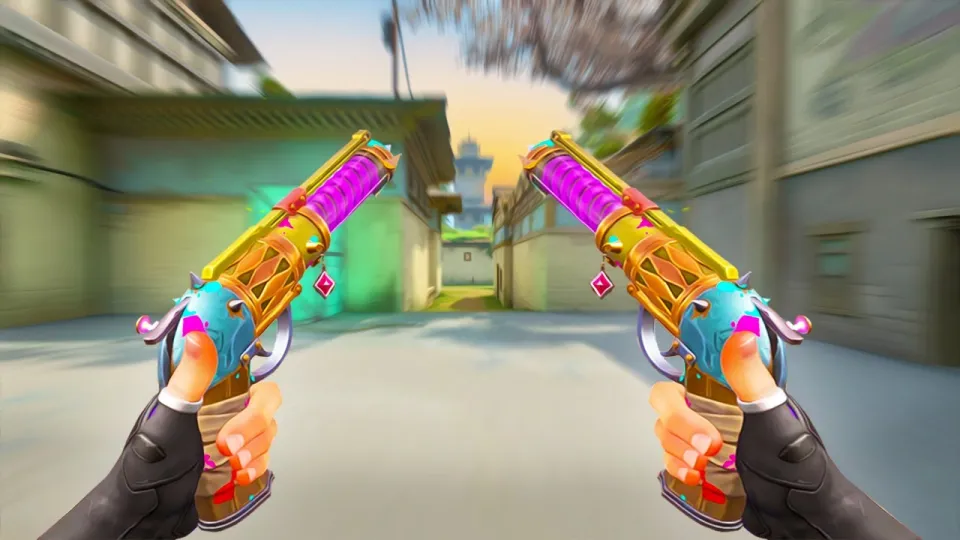
Video: 20 Minutes of Satisfying Valorant Clips
Need articles like this for your video? They help promote it on YouTube and Google — order them in the Telegram bot @sat_sit_bot. It writes articles around your video, embeds the video and publishes them on popular niche websites (no ads). Your first 50 articles are free.
· based on the channel Rawzu
Key takeaways
- Rawzu plays 400 DPI with 0.625 in-game sensitivity, a 1440x1080 stretched resolution and crosshair code 1-6-2-2.
- Phoenix is an offensive duelist whose Blaze wall blocks vision and deals damage while Curveball blinds enemies even around corners.
- Hot Hands and the Run it Back ultimate make Phoenix durable enough to entry first and still trade or re-enter a fight.
- Hardware in the setup: Lamzu Maya X mouse, Zowie H-SR-SE 2 Blue mousepad, Zowie XL2566K 360Hz monitor.
- The clip format rewards one-taps, fast peeks and clean ability combos on maps like Lotus and Icebox rather than passive play.
Improving at Valorant comes down to three repeatable habits: lock a sensitivity you never change, drill crosshair placement at head level, and copy the decision-making of a duelist who enters first instead of watching highlights for entertainment only. The fastest way to do that is to break down satisfying Phoenix clips from a player like Rawzu, who streams daily on Kick, and turn each clean kill into a rule you can apply in your own ranked games. The clips are the symptom; the settings, movement and ability usage behind them are the actual lesson.
What makes Valorant clips satisfying to watch and useful to study
A satisfying clip is not random luck — it is the visible result of a repeatable process. When a Phoenix player one-taps an opponent holding an angle, three things happened before the shot: the crosshair was already at head level, the peek was short and sharp, and the player knew where the enemy could be standing. Watching a twenty-minute compilation of these moments trains your eye to recognise the pattern instead of just the outcome.
The genre works because Valorant is a low-time-to-kill game. Most duels end in under a second, so the viewer sees the payoff instantly. That same compression is why clips are a good study tool: you can pause on any frame and ask what the player knew, where the crosshair sat, and which ability was available. Commentary from teammates in these moments — supportive reactions, jokes about stolen aces, calls about a Sage dying mid-fight — is a reminder that even highlight-level play happens inside normal team chaos, not in a vacuum.
Rawzu settings and peripherals explained
Rawzu's setup is built around consistency rather than novelty, and every value is worth copying if you want the same feel. Sensitivity is 400 DPI with 0.625 in-game, which lands in the low-sens range most tactical-shooter pros prefer because it keeps micro-adjustments stable at long range. Resolution is 1440x1080, a stretched 4:3-style aspect that widens enemy models on screen and makes heads look bigger without changing the actual hitbox.
The crosshair is set to 1-6-2-2 — inner lines, thickness, offset and dot values that produce a small, open shape which does not cover the target's head. Hardware: a Lamzu Maya X mouse, a Zowie H-SR-SE 2 Blue mousepad for controlled stopping power, and a Zowie XL2566K 360Hz monitor so fast swings stay readable. None of this wins games alone, but a stable frame rate and a mousepad that matches your sens make your aim repeatable instead of lucky.
How to build aim habits from Phoenix gameplay
Phoenix rewards players who take space, so his gameplay is the perfect template for aggressive aim training. Follow this order when you review any duelist clip:
- Note the crosshair height before the peek. In good clips it never drops below neck level, even while moving.
- Watch the peek length. Short, decisive swings beat wide, slow ones because the enemy has less time to react.
- Track ability usage. A Curveball blind thrown before the swing removes the need for a perfect shot.
- Check the trade logic. If the entry dies, the second player should already be close enough to punish the kill.
- Copy one habit per session. Trying to change five things at once resets your muscle memory.
Players who complain that enemies in their own games "shoot back and have game sense" are describing the gap between a highlight reel and ranked reality. The fix is not faster flicks; it is better pre-aim, better utility timing and fewer dry peeks into multiple angles.
Phoenix abilities and how they create clip-worthy moments
Phoenix is an offensive duelist who hunts enemies while crippling their ability to fire back. Blaze creates a wall that blocks vision and deals damage, letting him cross open, defended areas that would otherwise be suicide to walk through. Curveball is a flash that curves around geometry, so it blinds opponents even when they are tucked behind corners and cannot see the throw.
Hot Hands gives him a molotov-style area denial that also heals him, which is why Phoenix can take a fight, retreat, and re-enter without waiting for a support player. Run it Back, his ultimate, returns him to his cast position with full health if he dies, making him a durable entry who can scout, take a duel, and still be alive for the retake. Combined, these tools explain why so many satisfying clips feature Phoenix diving into a site, flashing, walling off the rotate, and finishing the round with a one-tap on a defender peeking heaven.
Maps, economy and the details that separate clean clips from lucky ones
Map knowledge is what turns a highlight into a repeatable round. On Lotus, the rotating doors and narrow chokes mean a Blaze wall can cut a site in half and isolate defenders, while Icebox's vertical angles and long sightlines reward pre-aimed one-taps from elevated positions. Knowing which angles are commonly held — and which are rarely checked — is worth more than raw reaction time.
Economy matters just as much. A round-two loadout with a Vandal, full shield and every ability available is a deliberate buy, not an accident, and it is exactly the kind of decision that produces dominant early rounds. If you see a player win a fight with a full kit on a bonus round, the lesson is the buy order, not the aim. Utility combos, not hero plays, are what make those rounds repeatable across a whole half.
Common questions about Valorant clips and improvement
Viewers of compilation channels ask the same things over and over, and the answers rarely change. Movement speed and aim look impossible to follow when you watch a stretched-resolution stream at 3 a.m., but the underlying sens is slow and deliberate — the speed you see is decision-making, not high sensitivity. Likewise, teammates in these clips sound unusually supportive because the player is making calls and taking responsibility for entries, which changes how a team responds.
Another recurring theme is nostalgia. Players who stopped years ago often say a good compilation makes them miss the game, and that is a fair reaction: the core loop of Valorant has stayed recognisable even as agents, maps and metas shifted. The productive version of that feeling is to return with one clear goal — better crosshair placement, cleaner utility — instead of chasing highlight-reel plays immediately. A single clean one-tap on a defender holding a common angle is worth more practice than ten reckless flicks.
Useful links
- Daily live streams and ranked gameplay: https://kick.com/rawzu
- Original music by the creator: https://open.spotify.com/artist/6DbATPR1PTNMx7U918bg1Q
- Community Discord: https://discord.gg/axnFwyvxp3
Final thoughts on learning from satisfying gameplay
Satisfying clips are only entertainment until you extract the settings, the crosshair placement and the ability timing behind them. Copy Rawzu's 400 DPI and 0.625 sensitivity, keep the 1440x1080 stretched resolution and the 1-6-2-2 crosshair, then spend your practice time on pre-aim and short peeks rather than flicks. Phoenix is the ideal agent for that project because Blaze, Curveball, Hot Hands and Run it Back all reward aggressive, well-timed entries. Watch one compilation, pick one habit, and apply it in your next ranked game — then catch the creator live on Kick to see the same decisions made in real time. The channel Rawzu is the source of this breakdown, and its clips are the case study, not the shortcut.
Source: 20 Minutes of Satisfying Valorant Clips · Markdown version
Questions & answers
What sensitivity and resolution does Rawzu use in Valorant?
Rawzu plays on 400 DPI with 0.625 in-game sensitivity, which is a low-sensitivity setup built for stable micro-adjustments. The resolution is 1440x1080, a stretched aspect that widens enemy models on screen. The crosshair is set to 1-6-2-2.
Why do enemies in highlight clips seem easier to kill than in my own ranked games?
Clips are edited to show the moments where pre-aim, utility and timing all lined up, so misses and lost duels are cut out. In ranked, opponents hold unpredictable angles, rotate early and trade kills, which is why game sense matters as much as aim. The fix is better crosshair placement and fewer dry peeks, not higher sensitivity.
Is Phoenix a good agent for learning aggressive aim and movement?
Yes, because Phoenix is an offensive duelist designed to take space while crippling enemy fire. Blaze blocks vision and deals damage, Curveball blinds around corners, and Hot Hands plus Run it Back make him durable enough to entry and re-enter fights. That combination forces you to practise timing and movement instead of passive holding.
Do peripherals like a 360Hz monitor and a specific mousepad actually matter?
They matter less than sensitivity consistency and crosshair placement, but they remove variables. A 360Hz monitor keeps fast swings readable, and a control-oriented mousepad like the Zowie H-SR-SE 2 Blue helps your aim stop where you intend. Pick one setup and keep it stable so your muscle memory can develop.